

The Essence of Vastu: Living in Harmony with Nature
Vastu Shastra is an ancient Indian science rooted in the balance of the Pancha Bhootas (the five elements: Earth, Water, Fire, Air, and Space). It is a universal philosophy, transcending religion and geography, designed to help humanity live in sync with natural forces.
By aligning our living spaces with these energies, we invite prosperity, health, and joy into our lives. While architectural styles may vary across the globe to suit different climates, the underlying influence of the five elements remains constant. Following Vastu is essentially an act of respecting nature to ensure a positive and fruitful life.
The Spiritual Core:
The Pooja Room
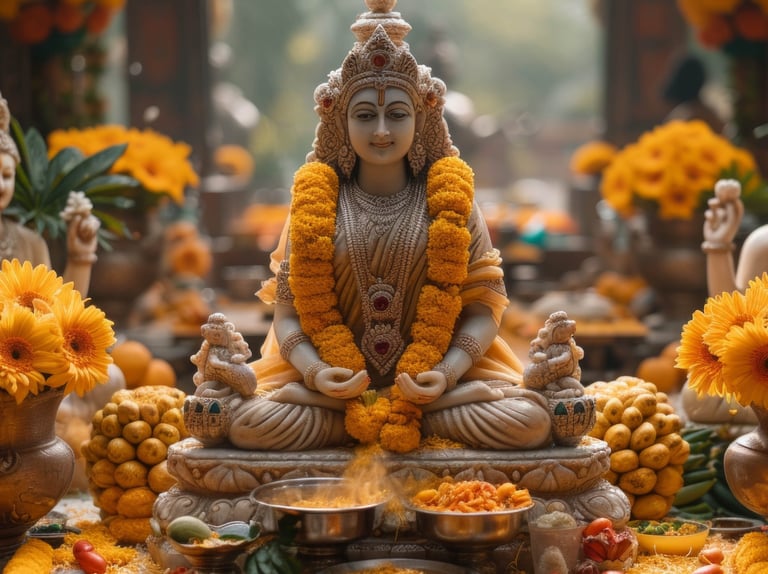
In the Indian tradition, the Pooja (prayer) room is the spiritual heartbeat of the home. Its placement is critical:
Ideal Location: Prayer areas should ideally be situated in the East Middle, West Middle, South Middle and North Middle of the house.
Orientation: Deities should face either East or West.
Prohibitions: Avoid placing the prayer room in the Southwest (Nairuti) or Southeast (Agneya), Northeast (Eshanyam), and Middle of the House as these zones are governed by different energies that conflict with the tranquility required for worship.
The Gateway: Main Doors
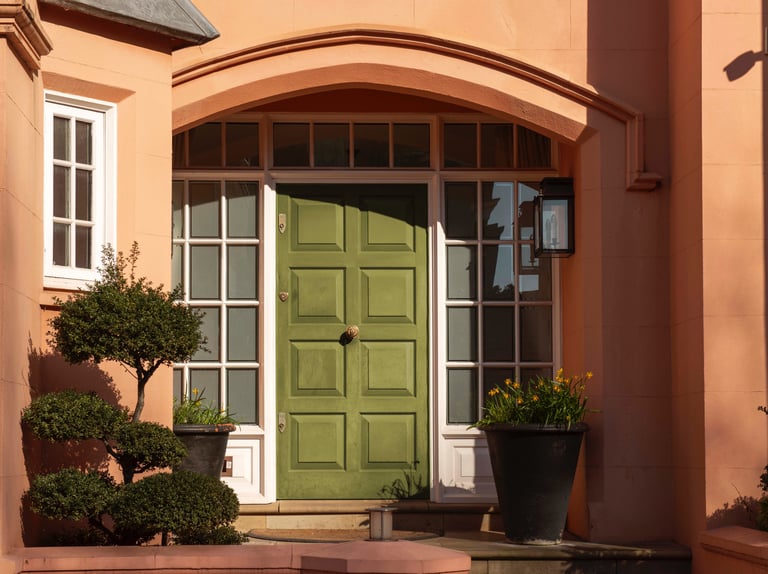
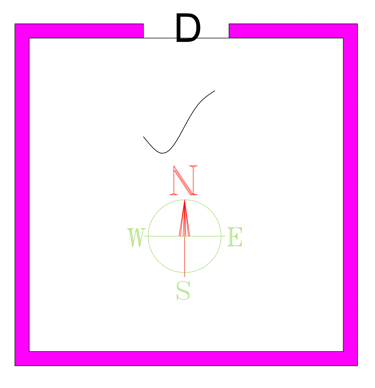
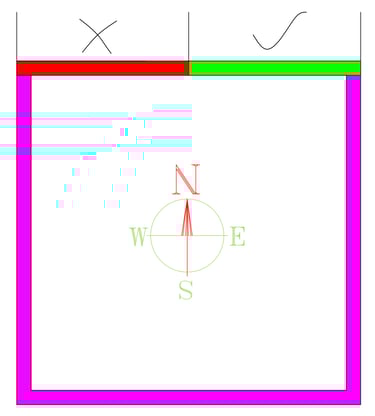
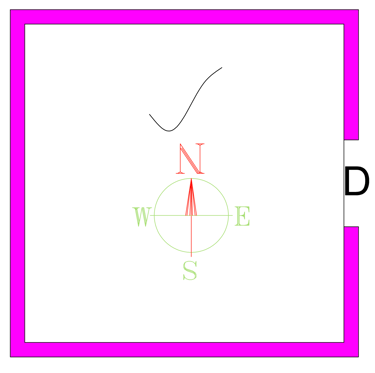
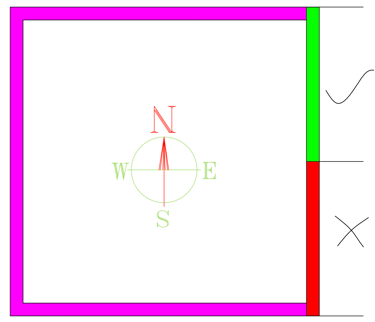
The main entrance acts as a funnel for energy. Its placement depends on the facing direction of the house
North Facing: Best placed in the center or toward the Northeast. Avoid the Northwest.
East Facing: Best placed in the center or toward the Northeast. Avoid the Southeast.
South Facing: Best placed in the center or toward the Southeast. Avoid the Southwest.
West Facing: Best placed in the center or toward the Northwest. Avoid the Southwest.
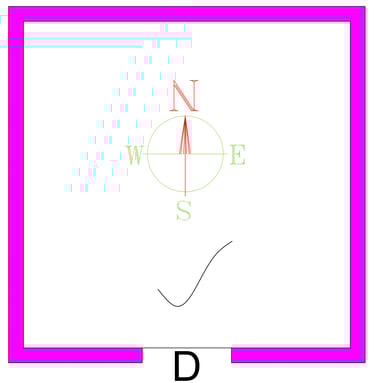
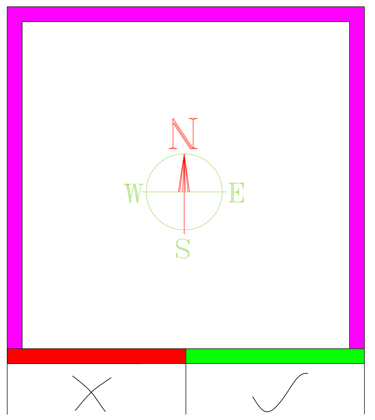
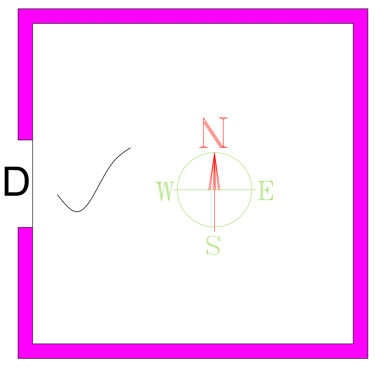
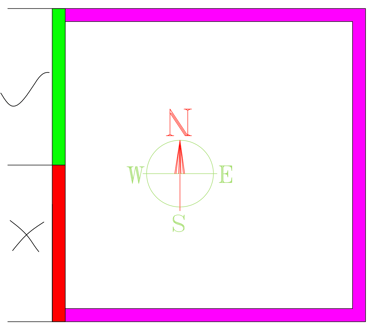
The Life Force: Water Sources (Borewells and Sumps)
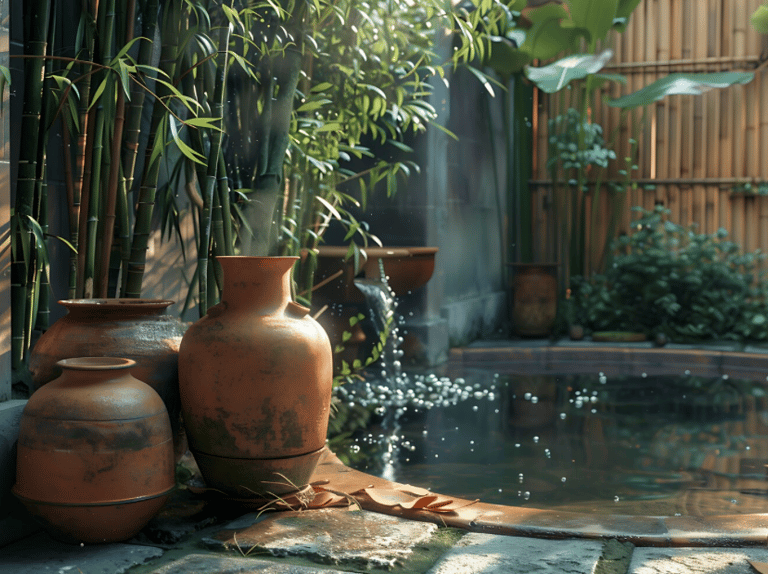
Since water represents the flow of wealth and health, the placement of borewells and sumps requires extreme precision:
The Golden Rule: Always place water sources in the North and Northeast or North-central zones, East and Northeast orEast-central.
Caution: Never dig a water source in the exact Northeast corner (the "point" of the corner) or in the Southwest/South/West zones, as this can lead to significant life challenges.
Waste Management: The Septic Tank
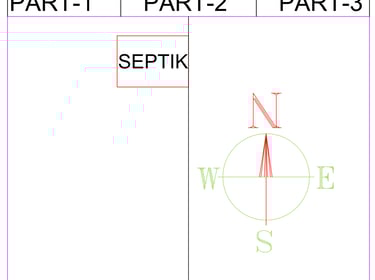
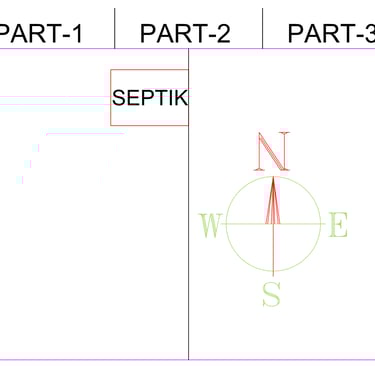
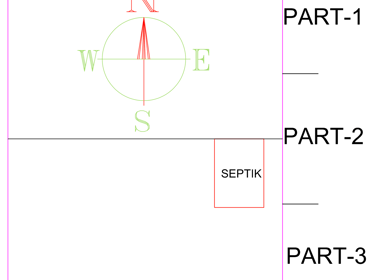
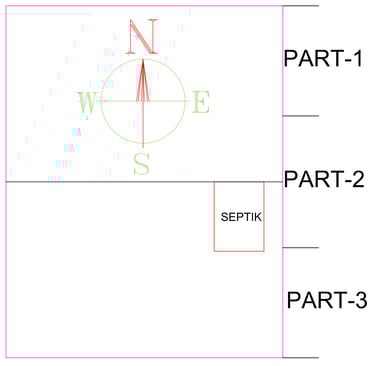
To ensure negative energy is properly discharged, the septic tank should be placed with care:
North Side: Divide the North length into three parts; place the tank in the middle section toward the West.
East Side: Divide the East length into three parts; place the tank in the middle section toward the South.
Rest and Rejuvenation: The Bedroom
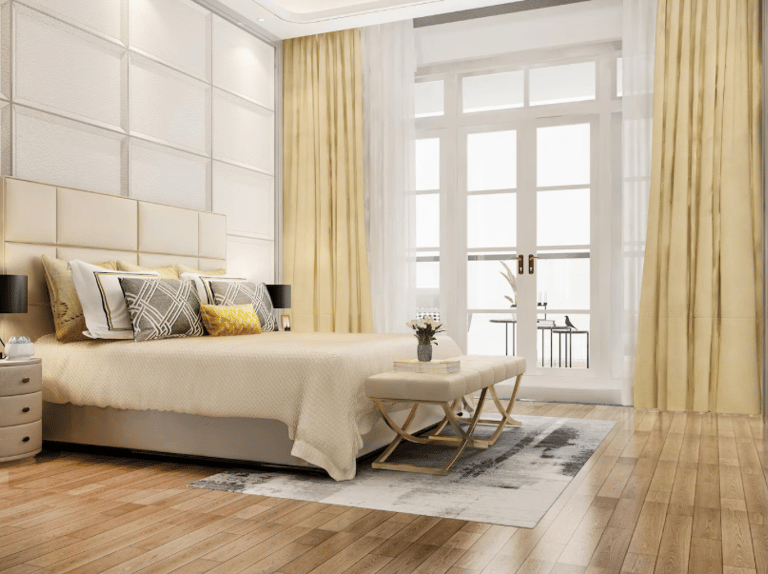
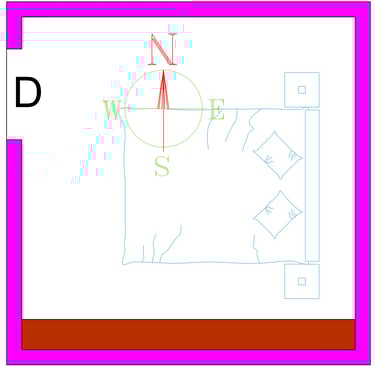
To ensure deep, restorative sleep, the bedroom follows strict orientation rules:
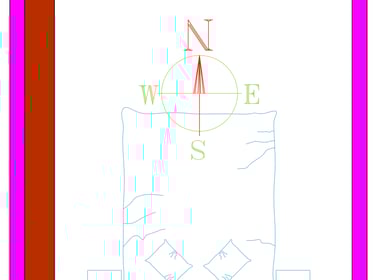
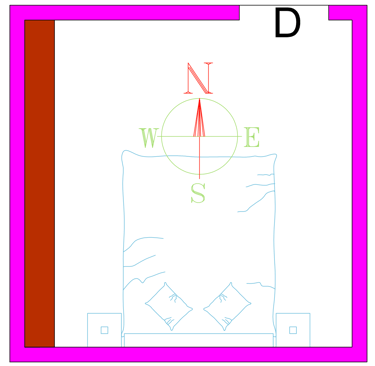
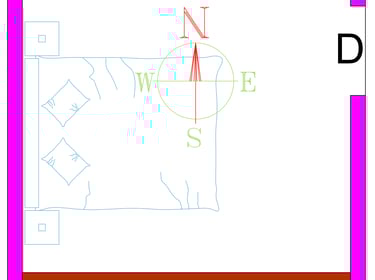
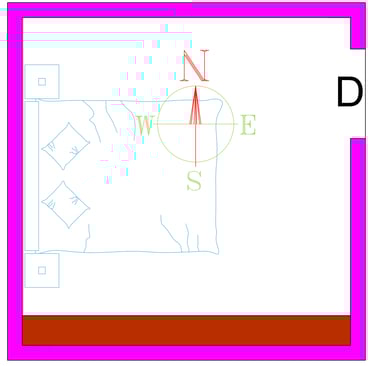
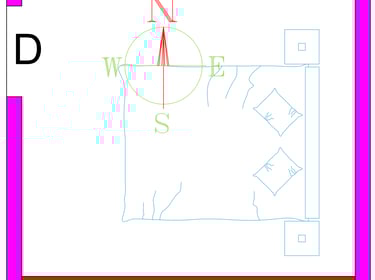
Sleeping Direction: The most auspicious position is to sleep with your head toward the South. East and West are acceptable alternatives.
Crucial Prohibition: Never sleep with your head toward the North, as this disrupts the body’s magnetic field.
Furniture: Heavy wardrobes and shelves should be placed the South or West walls. Keep the North and East walls light and clear.
Privacy and Hygiene: Attached Toilets
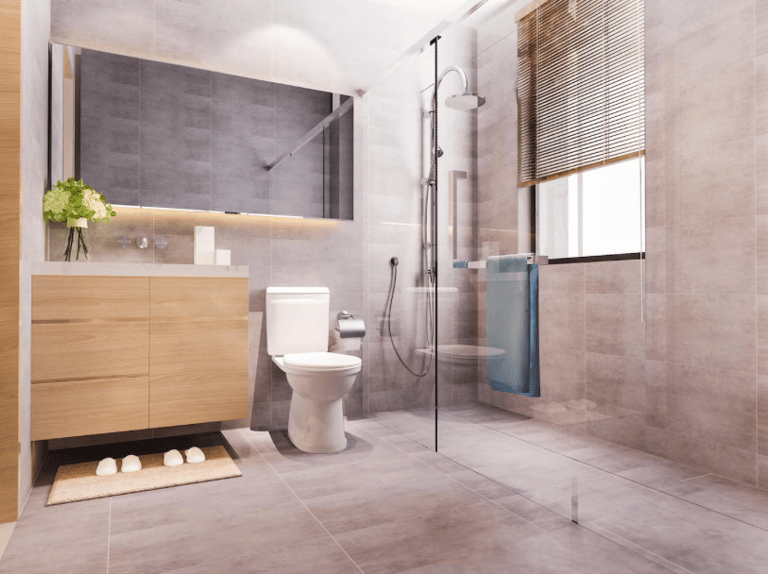
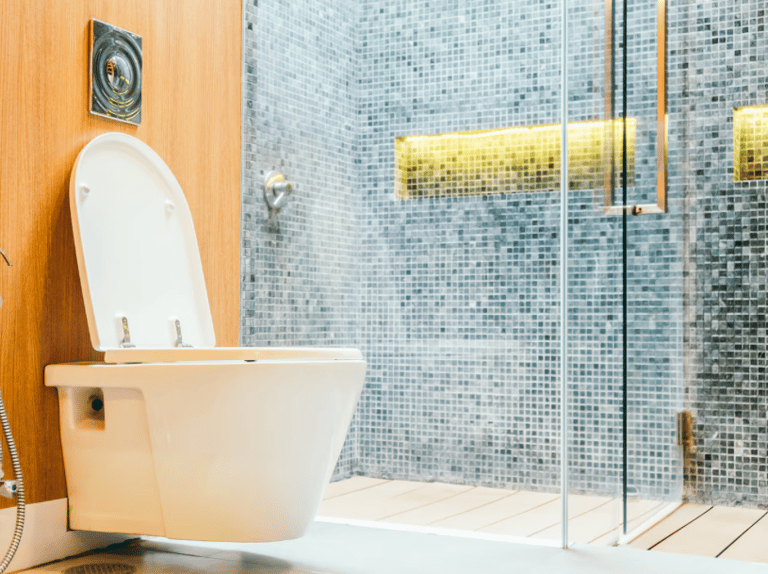
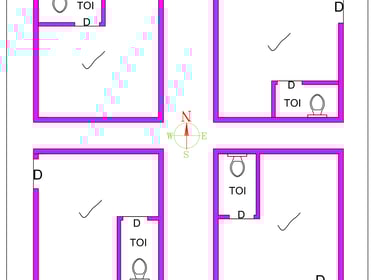
Modern homes often feature attached toilets, which must be placed to prevent the spread of "waste" energy:
Permitted: Northwest or Southeast corners of the room.
Forbidden: Avoid the Northeast, Southwest, or the exact East/North centers.
Internal Alignment: When using the toilet, one should face either North or South.
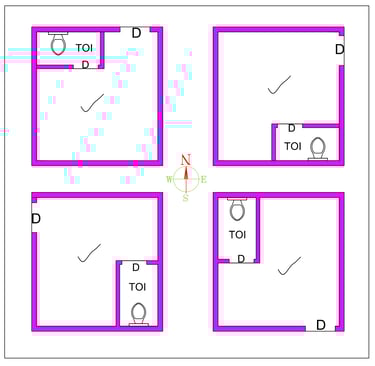
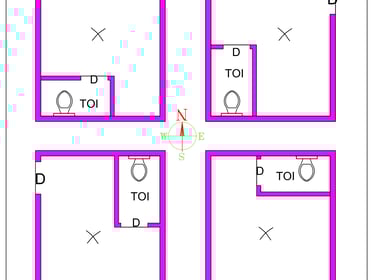
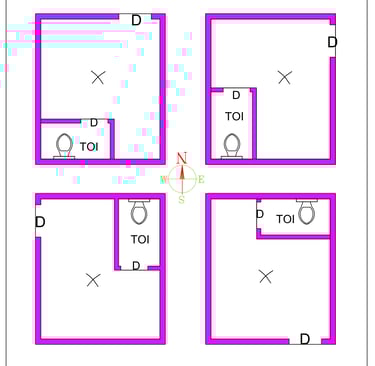
The Social Hub: The Living Room
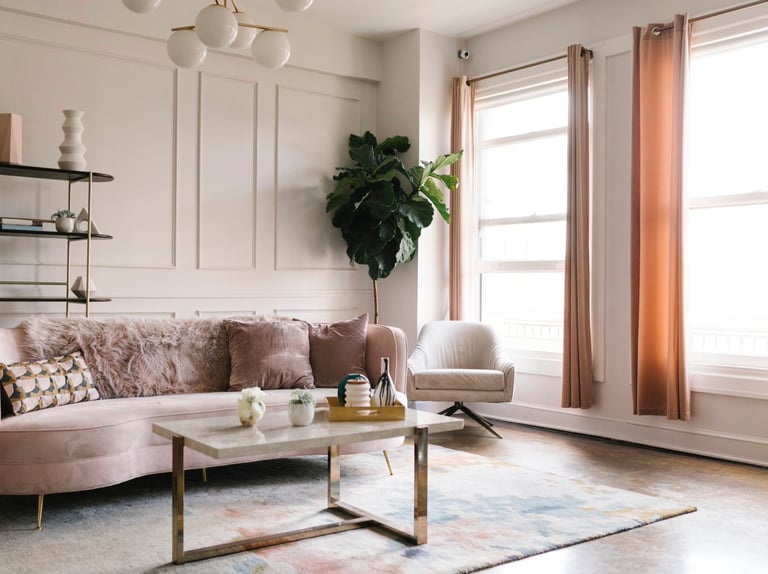
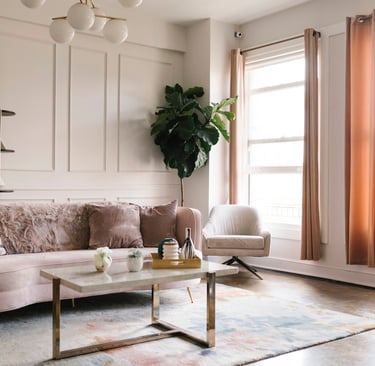
The living room should be a welcoming space for family and guests:
Location: Ideally near the main entrance or the center of the house.
Furniture Layout: Heavy furniture (sofas/cabinets) should be placed near the South or West walls.
Electronics: TV screens and electronics are best suited for the North or East walls.
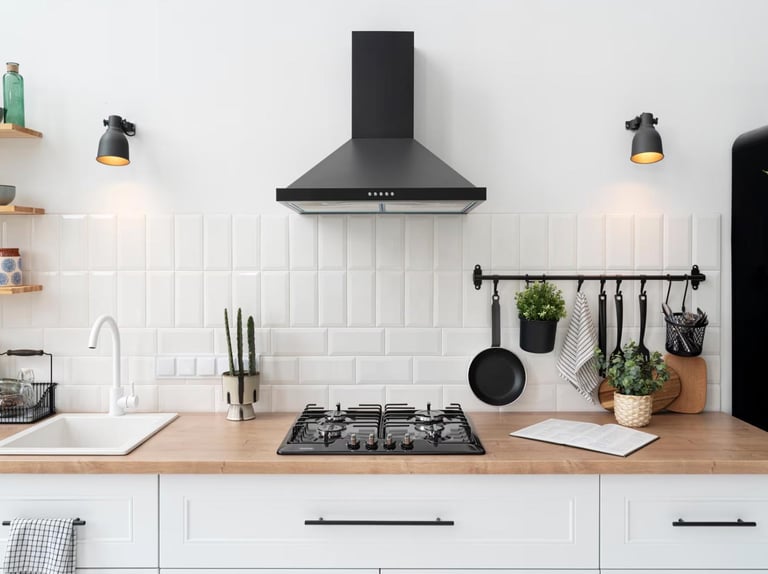
The Hearth: The Kitchen
The kitchen represents the element of Fire. Proper placement ensures the health of the family:
Primary Location: The Southeast (Agneya) corner is best. The cook should face East while preparing meals.
Secondary Location: The Northwest (Vayuvya) corner. In this case, the cook should face West.
Note: The kitchen should never be placed in any other zone, as it can disrupt the elemental balance of the home.
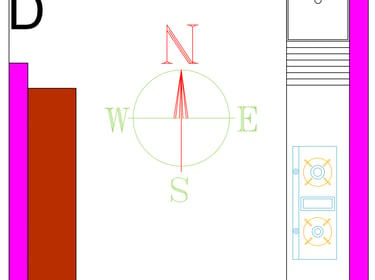
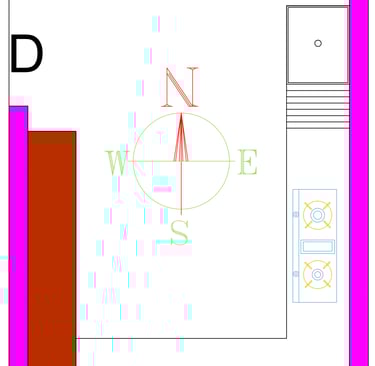
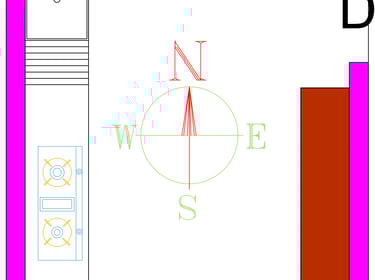
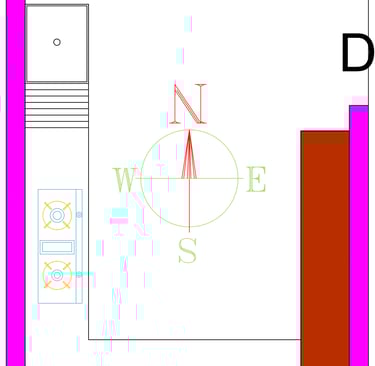
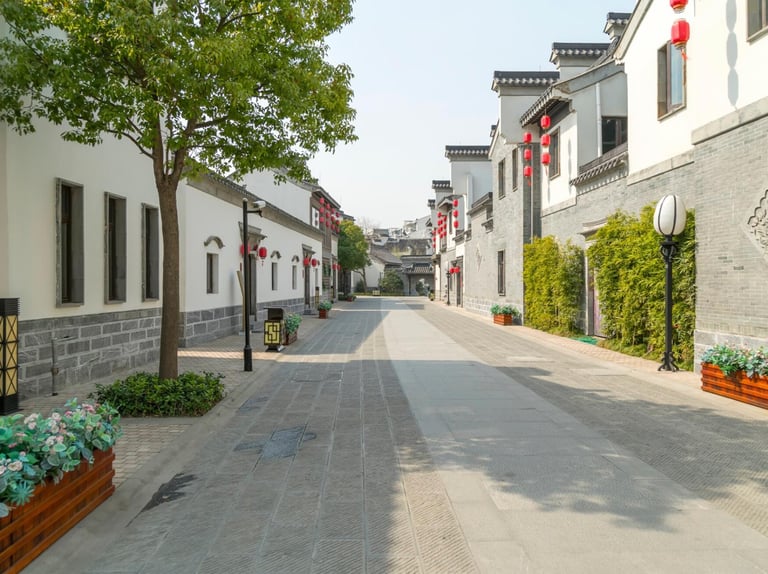
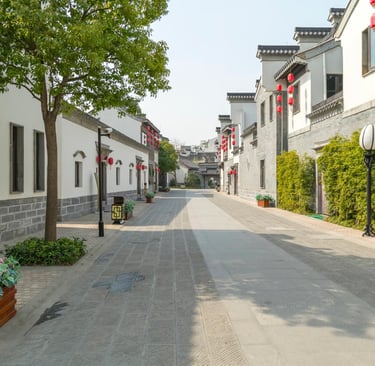
Environmental Influence: Street Focus – 1
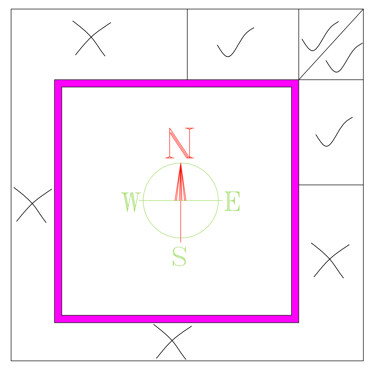
In Vastu Shastra, the direction from which a road approaches or touches a property plays a crucial role in determining the flow of energy. This phenomenon is known as “Street Focus” or “Veedi Potu.” Depending on the direction, it can bring either prosperity or challenges.
Auspicious Street Focus:
• North toward North-East
• East toward North-East
• South toward South-East
• West toward North-West
These directional combinations enhance growth, financial stability, and positive life experiences.
Inauspicious Street Focus:
• North toward North-West
• East toward South-East
• South toward South-West
• West toward South-West
Such alignments may cause instability, financial strain, or obstacles if not properly addressed.
Important Note:
If a property has multiple roads, each direction must be analyzed carefully. The overall effect depends on the combined directional balance rather than a single road alone.
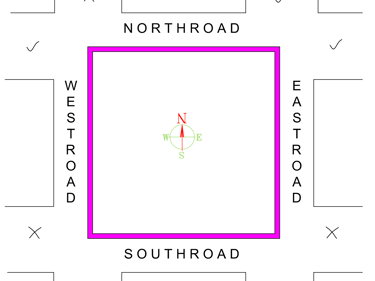
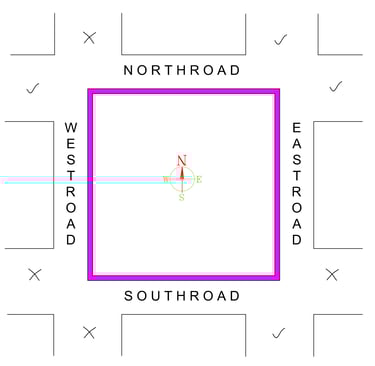
Environmental Influence: Street Focus – 1
A direct road hitting the plot (T-junction effect) requires special attention.
When a road directly approaches the property from:
• North-East – Highly Auspicious
• South-East – Inauspicious
• South-West – Strongly Inauspicious
• North-West – Inauspicious
However, not every street focus leads to negative outcomes. The plot shape, slope, compound wall height, and surrounding structures must also be considered before drawing conclusions.
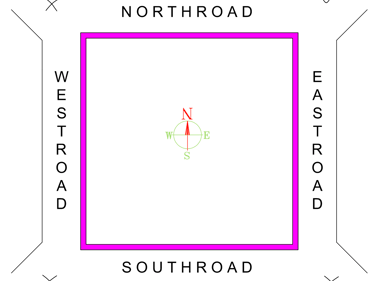
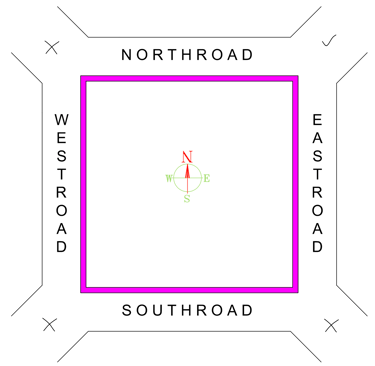
Apartment Vastu: Harmony in Modern Living
Apartments differ from independent houses, but Vastu principles still apply effectively.
Key Factors to Consider:
Main Entrance:
The direction of the main door significantly influences the overall energy of the flat.
Shape of the Flat:
Square and rectangular layouts are ideal for balanced energy distribution.
Room Positioning:
• Kitchen placement
• Bedroom location
• Toilet alignment
• Living area arrangement
• Balcony and window positioning
Is 100% Vastu Possible in Apartments?
Due to structural constraints, complete compliance may not always be achievable. However, major principles—especially entrance and room placement—can still ensure positive results and balanced living.
Industrial Vastu: Strengthening Business Foundations
Industrial Vastu applies to factories, warehouses, commercial spaces, and manufacturing units. Proper planning directly influences productivity and profitability.
Benefits of Industrial Vastu:
• Smooth operational flow
• Increased productivity
• Financial growth
• Reduced losses and disputes
• Workforce stability
Key Planning Considerations:
• Main entrance direction
• Placement of heavy machinery (preferably South or West)
• Raw material storage location
• Finished goods dispatch area
• Administrative office placement
Balanced industrial planning ensures efficient movement of materials, manpower, and financial flow.
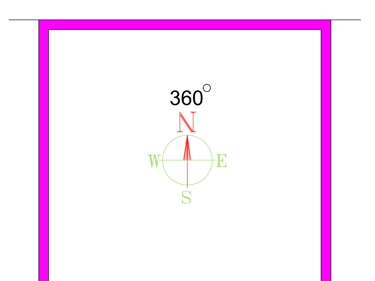
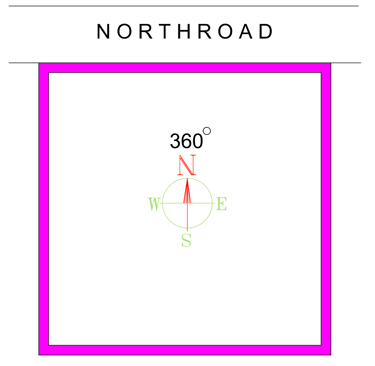
Directional Strength: North-Facing Properties (0°)
The North direction is associated with financial growth and opportunities.
Positive Outcomes:
• Wealth generation
• Business expansion
• Stability in income
• Career growth
Ideal Entrance Placement:
Positioned toward North-center or North-Northeast for optimal benefits.
When properly aligned, North-facing properties attract prosperity and financial strength.
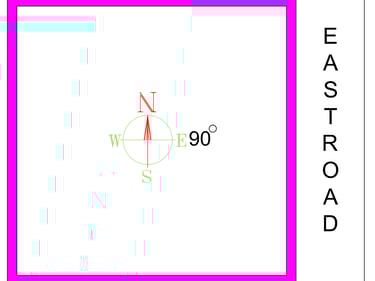
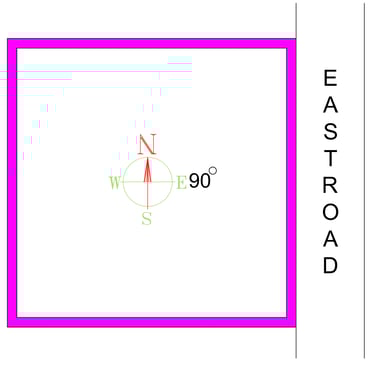
Directional Strength: East-Facing Properties (90°)
The East symbolizes sunrise, vitality, and new beginnings.
Positive Outcomes:
• Improved health
• Recognition and respect
• Positive mindset
• Spiritual growth
Ideal Entrance Placement:
East-center or East-Northeast ensures favorable results.
A well-planned East-facing home promotes success and vitality.
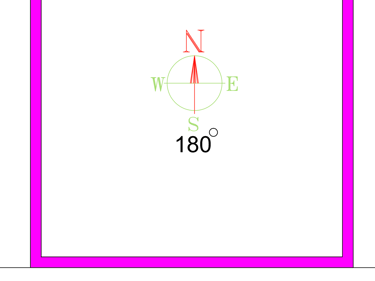
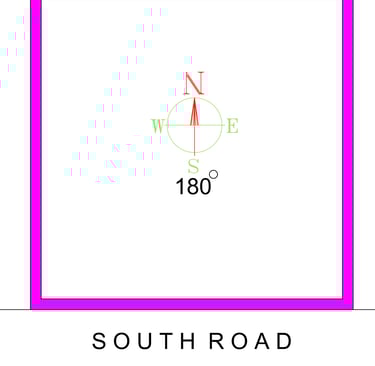
Directional Strength: South-Facing Properties (180°)
South-facing homes can deliver strong results when designed correctly.
Positive Outcomes:
• Authority and leadership
• Confidence and courage
• Financial stability
• Protection and strength
Ideal Entrance Placement:
South-center or South-Southeast zone, avoiding the Southwest.
Proper alignment transforms South-facing properties into stable and powerful spaces.
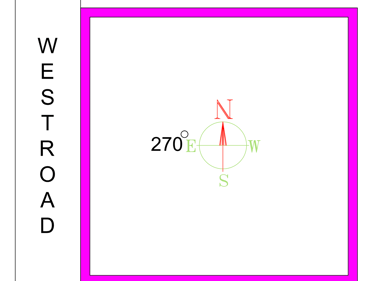
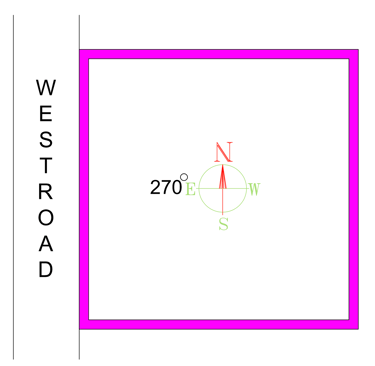
Directional Strength: West-Facing Properties (270°)
West-facing properties can bring consistent progress and professional growth.
Positive Outcomes:
• Career stability
• Business opportunities
• Financial balance
• Gradual success
Ideal Entrance Placement:
West-center or West-Northwest zone for best results.
Balanced planning ensures steady advancement and opportunities.
Vastu for Overseas Properties
Vastu principles apply universally, regardless of country or climate.
Important Considerations:
• Entrance direction remains significant
• Basement usage must be carefully planned
• Surrounding road levels and slopes influence outcomes
• External environmental factors affect energy flow
Even in modern international architectural styles, Vastu can be seamlessly integrated to maintain harmony and prosperity.

The Role of Colours in Vastu
Colors influence emotions, productivity, and energy levels within a space.
General Guidelines:
• Light colors promote peace and positivity
• Bright colors enhance enthusiasm
• Blue tones create calmness
• Pink shades encourage warmth
• Avoid excessive dark shades
Room-Wise Recommendations:
Living Room:
Light yellow, cream, pastel tones, or soft green create a welcoming atmosphere.
Kitchen:
Light orange, peach, or mild red are ideal. Avoid dark blue or black.
Bedroom:
Soft pink, sky blue, or light green support restful sleep. Avoid dark red or grey.
Bathroom:
Light shades are recommended. Avoid dark tones.
Ceilings:
Avoid dark colors on ceilings to prevent heaviness and reduced positivity.